

TL;DR:
- Node-based preparation fosters flexible, engaging sessions by structuring around locations and decision points.
- Active listening, improvisation, and player collaboration elevate live gameplay to legendary status.
- Post-session reviews and adaptability are crucial for long-term campaign growth and sustained player engagement.
Every RPG group wants those legendary sessions where the whole table leans in, dice clatter at exactly the right moment, and someone whispers “I can’t believe that just happened.” But getting there consistently? That’s the tricky part. Most groups have good intentions but struggle to turn them into repeatable magic. We’re here to fix that. This article breaks down expert-vetted best practices for GMs and players alike, covering everything before, during, and after each session. Small, intentional changes compound fast, and by the end, you’ll have a clear action plan to level up your entire campaign.
Table of Contents
- Preparation that inspires: Building engaging sessions from the start
- In-session excellence: Mastering flexibility and group dynamics
- Post-session habits for campaign growth and learning
- Collaborative roleplaying: Elevating the player experience
- Tools, methods, and adapting to any table
- Our perspective: What most ‘best practices’ lists miss about tabletop gaming
- Upgrade your sessions with immersive tools and resources
- Frequently asked questions
Key Takeaways
| Point | Details |
|---|---|
| Flexible prep is key | Node-based and player-driven session planning creates the best engagement and avoids railroading. |
| Master session dynamics | Pay attention to pacing, group energy, and improvisation to make every session memorable. |
| Post-game feedback works | Taking quick notes after sessions rapidly levels up campaign quality and collaborative storytelling. |
| Roleplay supports everyone | Players who build on each other’s ideas create deeper immersion and lasting memories. |
| Adapt tools to the table | Mix Theatre of the Mind and tactical maps to suit your group’s style for the best results. |
Preparation that inspires: Building engaging sessions from the start
Here’s a truth bomb: over-preparing can actually kill player engagement. When a GM scripts every scene, players sense the rails beneath their feet. That’s why node-based preparation prevents railroading and boosts engagement through flexible scene building. It’s a game-changer (pun absolutely intended).
Node-based prep means organizing your session around locations, NPCs, and decision points rather than a linear plot. Players can approach any node from multiple directions, and the story still holds together. Think of it like a web instead of a hallway.
Before every session, a solid DM prep checklist keeps things tight without eating your entire week. Here’s what belongs on it:
- Location nodes with 2-3 sensory details each
- NPCs with clear motivations (not just a voice and a name)
- Scene seeds that can branch in multiple directions
- Rules references for mechanics likely to come up
- Safety tools confirmed from Session Zero
Session Zero itself deserves its own spotlight. Setting expectations, content boundaries, and tone before campaign launch prevents so many mid-campaign disasters. It’s not just polite, it’s strategic. Pair that with immersion tools and your sessions start feeling cinematic from session one.
Pro Tip: The “Lazy DM” approach (light prep, strong improv skills) consistently outperforms exhaustive worldbuilding for engagement. Build less, react more.
| Prep style | Flexibility | Time cost | Player agency |
|---|---|---|---|
| Node-based | High | Medium | Very high |
| Scripted/linear | Low | High | Low |
| Minimalist | Very high | Low | High (but risky) |
The quick setup guide and your essentials list are great companions when you’re streamlining your pre-game ritual. Explore both and watch your prep time shrink while your session quality climbs.
While preparation sets the session’s stage, real engagement hinges on what happens around the table once play begins.
In-session excellence: Mastering flexibility and group dynamics
Running a great session live is a performance art. The best GMs read the table like a musician reads the room. Are players leaning in during a tense negotiation? Slow down. Are eyes glazing during a long dungeon crawl? Speed up and throw a curveball.
In-session GM skills like pacing, improvisation within world logic, and active listening to player interests separate good sessions from legendary ones. Mastering these takes practice, but here’s a toolkit to start with:
- Pause and breathe before responding to unexpected player choices
- Ask clarifying questions (“What does your character do next?”) to buy improv time
- Say yes, and whenever a player idea fits the world logic
- Shift scene energy by changing your voice tone or narration speed
- Flag unresolved threads mentally for later payoff
For players, the “yes, and” principle from improv theater is pure gold at the table. When your fellow player’s rogue tries something wild, build on it. Don’t block their idea; add to it. The result is collaborative scene-building that feels alive and surprising even to the GM.
“The best moments at the table come from players surprising the GM and the GM surprising them right back. Embrace the chaos, steer it gently.”
Handling rules disputes mid-session? Balancing mechanics and narrative means making a fast provisional ruling, keeping play moving, and clarifying after the session. Never let a rulebook argument kill the momentum.
For deeper support on running engaging sessions, we’ve got you covered. And if you want to go deep on role-playing immersion, that guide is a must-read.
Of course, what happens during the game is only part of the story. How you reflect and adapt after the session matters, too.
Post-session habits for campaign growth and learning
This is the secret weapon most groups skip entirely. A 10-minute session review after each game compounds campaign quality in a big way. It sounds small. It is NOT small.
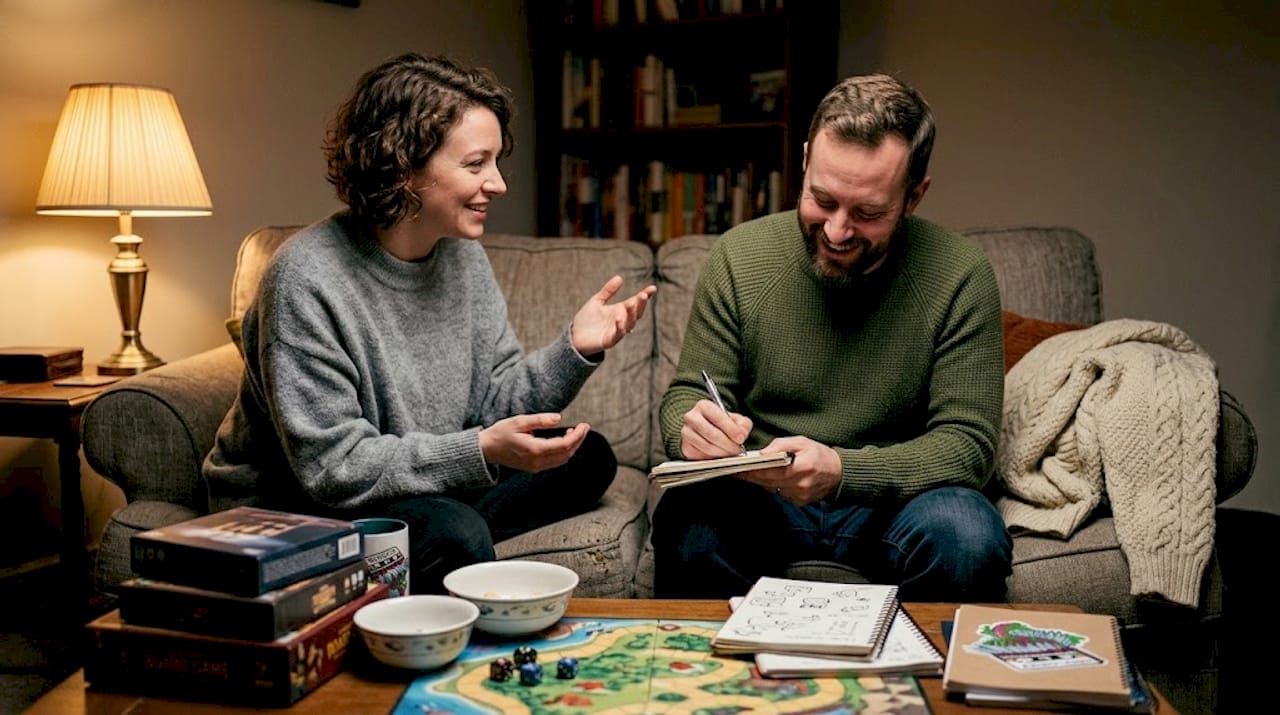
Post-session notes on engaging scenes improve long-term campaigns because they let you track what’s actually working versus what you assumed was working. Those are often very different things.
Here’s what to capture right after the session ends:
- Scenes that got the loudest reactions (positive or dramatic)
- Player character motivations that surfaced during play
- Unresolved threads that players clearly care about
- Pacing problems you noticed mid-session
- NPC moments worth revisiting or developing further
Pro Tip: Those unresolved threads? They’re free story seeds. Plant them in your next session’s nodes and watch players feel like they shaped the world. Because they did.
Collaborative post-session feedback is also massively underrated. A quick “what was your favorite moment?” to the group takes two minutes and reveals gold. Use it for campaign reflection tips and shaping future arcs.
| Review format | Time needed | Best for |
|---|---|---|
| Quick notes | 10 minutes | Busy GMs, regular sessions |
| Detailed reflection | 30-45 minutes | Long campaigns, major story arcs |
| Group debrief | 15 minutes | New groups, building trust |
For GMs building longer arcs, creating immersive campaigns walks you through structuring those session notes into something truly epic.
Much of tabletop gaming’s magic flows from the people at the table and how we roleplay together. Let’s explore player-specific best practices next.
Collaborative roleplaying: Elevating the player experience
Players, this section is for you. And honestly? It might be the most impactful part of the whole article.
Player roleplaying best practices use the “yes, and” improv principle for collaborative scene-building, diegetic reasoning, and avoiding spotlight hogging and metagaming. Let’s unpack each one:
- “Yes, and”: Accept what another player or GM introduces, then add to it. Never block a creative moment with “my character wouldn’t do that.”
- Diegetic reasoning: Make decisions based on what your character knows, not what you as a player know. It keeps the world believable.
- Avoid metagaming: Don’t use out-of-game knowledge to influence in-game choices. It breaks immersion for everyone.
- Share the spotlight: Watch for moments when quieter players are trying to engage, and step back to let them shine.
Spotlight sharing is genuinely an art. The table’s most experienced roleplayer can lift the whole group by asking a quieter player, “What does your character think?” It costs nothing. It builds everything.
Pro Tip: If you love a GM’s world element, reference it organically in play. Name-drop the tavern you visited two sessions ago. React to the NPC your GM clearly loves. It signals that you’re paying attention, and GMs reward that energy in ways you’ll feel immediately.
Session Zero reminders apply here too. Know your group’s content limits. Respect boundaries without breaking the fiction. These aren’t restrictions. They’re the frame that makes bold storytelling safe.
For building even richer collaborative storytelling at your table, that guide is genuinely worth bookmarking.
Now that we’ve covered the humans at the heart of the table, let’s look at tools and methods that unlock even more immersive, tailored play.
Tools, methods, and adapting to any table
Gear matters. Not in a “you need to spend a fortune” way, but in a “the right tool changes the vibe completely” way. Here’s a quick toolkit every table should consider:
- Dice with personality: Sharp edge sets, mystery sets, or themed dice add tactile joy to every roll
- Ambient music and lighting: Free playlists and a candle can transform a kitchen table into a tavern
- Props and handouts: A “letter from the king” printed on aged paper is worth a thousand GM descriptions
- Initiative trackers and condition markers: Reduce rules friction during combat so story stays central
Theatre of the Mind vs. tactical maps is one of the great debates in TTRPG circles. The honest answer: blend both for immersion and spatial clarity, depending on your table’s preference.
| Method | Best for | Trade-off |
|---|---|---|
| Theatre of the Mind | Roleplay, dialogue, exploration | Spatial confusion in complex combat |
| Tactical maps | Combat clarity, positioning | Can slow pacing; feels less cinematic |
| Hybrid | Most sessions | Requires GM flexibility |
For groups that love tactical play, check out the battle map options that can slot seamlessly into any session style. The key is matching your approach to the session’s aim. High-stakes dungeon crawl? Pull out the map. Emotional reunion scene? Keep it pure Theatre of the Mind.
With a full picture of best practices, let’s share a candid perspective on why these methods work and what newcomers often miss.
Our perspective: What most ‘best practices’ lists miss about tabletop gaming
Most best practices lists hand you a checklist and call it a day. We think that’s exactly backwards.
The real secret? Adaptability over exhaustive worldbuilding sustains engagement far better than any rigid prep system. True mastery comes from blending your prep with live player input, every single session. You can’t script your way to a legendary campaign.
What most groups get wrong is treating best practices as permanent rules rather than starting points. Safety tools get skipped after Session Zero. Post-session reviews never happen past week three. Players stop asking “yes, and?” once the honeymoon phase fades.
“A static checklist won’t save a session. Flexibility, transparency, and genuine curiosity about your players’ fun will.”
The groups we see having the most fun are the ones checking in openly, adjusting their approach mid-campaign, and treating every session as a learning loop. That’s the long-term session lesson that no tip list can fully capture.
Upgrade your sessions with immersive tools and resources
Ready to put all these best practices into action? The right gear makes every tip in this article land harder and feel more real at the table.
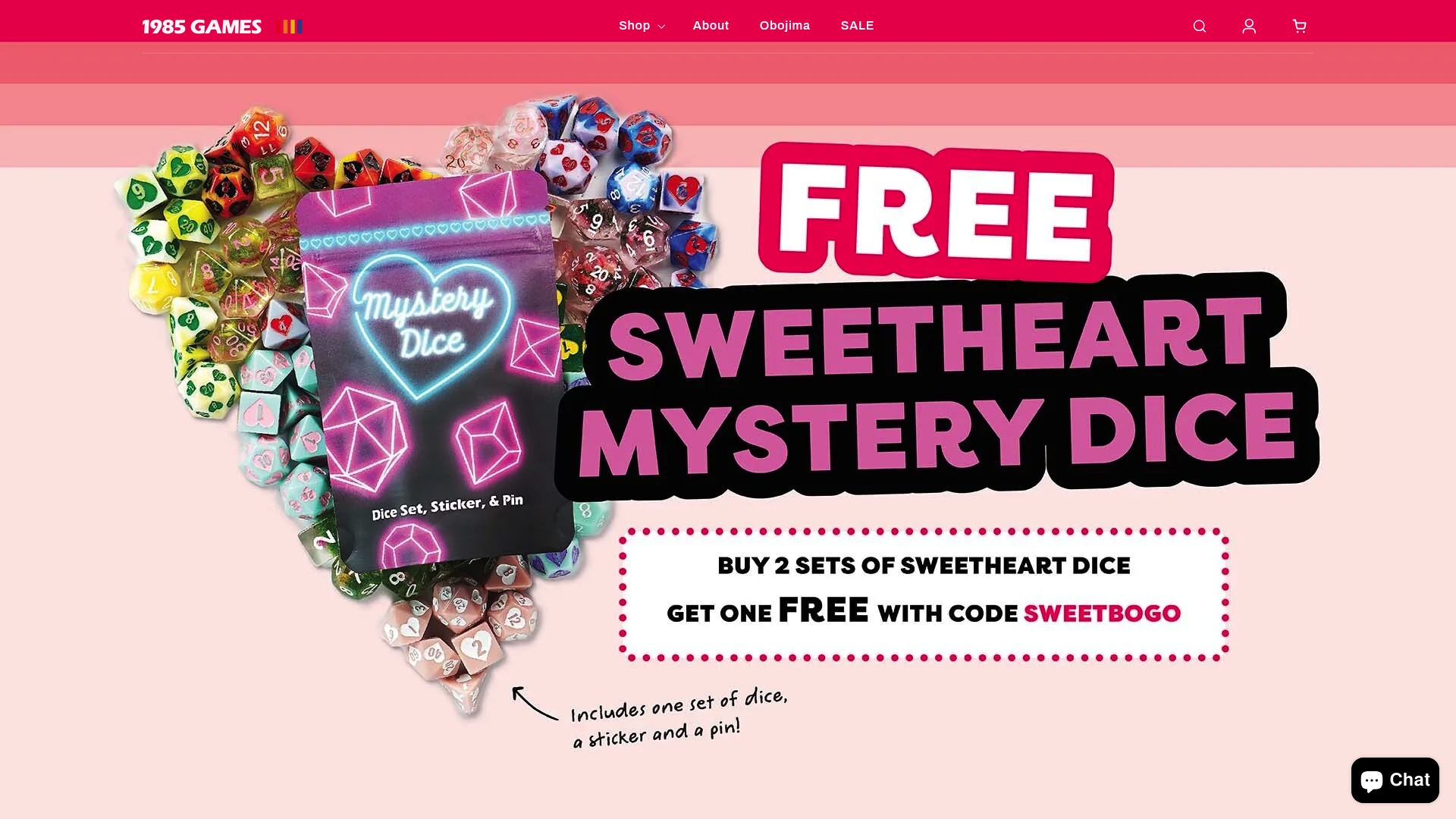
Right now, you can grab incredible dice set deals with our buy-2-get-1 offer. Sharp edge sets, mystery dice, themed collections. There’s a set for every table vibe. Whether you’re a node-prepping GM or a “yes, and” improv machine, the 1985 Games store has tools and guides to match your group’s energy. Explore battle maps, player journals, campaign aids, and more. Level up your setup and watch those best practices click into place.
Frequently asked questions
What is node-based preparation in tabletop RPGs?
Node-based preparation organizes key locations, NPCs, and plot points to let players shape the story without forcing them down one path. It prevents railroading by giving characters multiple routes to any decision point.
How do I handle rules disputes during a session?
Make a quick, provisional ruling to keep play moving, then research and clarify the rules between sessions. Never let a rulebook argument stall a great scene.
Why is Session Zero important?
Session Zero sets group expectations, boundaries, and safety tools so everyone feels comfortable and engaged from the very start. It’s the foundation every lasting campaign is built on.
Should I use Theatre of the Mind or tactical maps?
Blend both for the best experience: use Theatre of the Mind for roleplay scenes and tactical maps for complex action. The right blend depends on your group’s preference and the scene’s needs.
What’s the fastest way to improve my campaign as a DM?
Spend 10 minutes after each session reviewing what worked and what didn’t. These quick post-session reviews compound into dramatically better long-term campaign quality, fast.