

Choosing a tabletop RPG feels overwhelming when hundreds of systems promise unique experiences. With mechanics ranging from dice-heavy tactical combat to freeform storytelling, each RPG type shapes how your group interacts, resolves conflicts, and builds narratives. This guide clarifies the selection process by breaking down major RPG categories and criteria that match your group’s preferences. You’ll discover how session length, complexity, and narrative focus determine which RPG type enhances your gameplay most effectively.
Table of Contents
- How to Choose the Right Tabletop RPG for Your Group
- Traditional Fantasy RPGs – Dungeons & Dragons & Pathfinder
- Narrative and Indie RPGs
- Old-School Revival (OSR) RPGs
- Comparing RPG Types: Mechanics, Playstyle, and Community
- Choosing the Best RPG for Your Situation
- Enhance Your Tabletop RPG Experience with 1985 Games
- Frequently Asked Questions
Key Takeaways
| Point | Details |
|---|---|
| Major RPG types differ by mechanics complexity, narrative focus, and session length | Traditional fantasy RPGs like D&D balance accessibility and tactical depth for 3-6 hour sessions |
| Narrative and indie RPGs prioritize storytelling over combat | Light rulesets under 40 pages encourage improvisation and shorter 2-3 hour sessions |
| OSR RPGs revive classic rules with fast, minimalist gameplay | Streamlined mechanics enable 2-4 hour sessions with minimal prep time |
| Choosing depends on group preferences for combat, story, and time available | Tactical groups favor Pathfinder; roleplay-focused groups prefer indie systems |
| Community size and pricing affect accessibility and long-term support | D&D commands 50 million players while indie RPGs offer niche communities |
How to Choose the Right Tabletop RPG for Your Group
Your group’s preferences determine which RPG type delivers the most satisfying experience. Start by evaluating mechanics complexity, which ranges from simple d20 rolls to intricate feat trees and tactical grids. Groups new to TTRPGs benefit from accessible systems, while experienced players often crave deeper customization.
Session length shapes practical playability. Groups preferring shorter sessions favor OSR and narrative RPGs averaging 2-3 hours, perfect for weeknight gatherings. Traditional fantasy systems like D&D and Pathfinder demand 3-6 hours, ideal for weekend marathons. Consider your group’s available time before committing to a system.
Narrative focus versus combat intensity splits RPG types dramatically. Tactical groups thrive on detailed combat encounters with miniatures and maps, while story-driven groups prefer systems emphasizing character development and social encounters. Genre also matters, whether you want classic fantasy, cosmic horror, or science fiction settings. Your players’ interests guide this choice.
Community size impacts learning curves and long-term engagement. Larger communities provide abundant tutorials, third-party content, and active forums. Pricing for major RPG core rulebooks ranges from $30 to $60, with many free quick-start guides lowering entry barriers. Budget-conscious groups can sample systems before investing.
Consider these selection criteria:
- Mechanics complexity matching your group’s experience level
- Session length fitting your schedule constraints
- Combat versus narrative balance aligning with player preferences
- Genre and setting matching group interests
- Community support for learning resources
- Initial cost and ongoing investment requirements
Pro Tip: Test systems using free quick-start rules before purchasing full rulebooks. Many publishers offer abbreviated versions that showcase core mechanics without financial commitment.
Accessories enhance any RPG experience. Premium dice sets for tabletop RPGs add tactile satisfaction, while proper tabletop game setup creates immersion. When ready to buy tabletop role-play games, prioritize systems matching your group’s profile.
Traditional Fantasy RPGs – Dungeons & Dragons & Pathfinder
Traditional fantasy RPGs dominate the tabletop market by balancing tactical combat with character progression. These systems feature medium to high complexity, detailed rulebooks, and robust support ecosystems. They reward strategic thinking and long-term campaign commitment.
Dungeons & Dragons 5th Edition balances accessibility and depth, boasts over 50 million players worldwide, making it the industry standard. The system uses d20 rolls modified by character abilities, skills, and situational factors. Combat encounters blend tactical positioning with creative problem-solving. Sessions typically run 3-5 hours, accommodating exploration, social interaction, and combat.
Pathfinder Second Edition offers deep tactical combat with over 500 feats and spells, appealing to players who want extensive customization. The three-action economy streamlines turns while maintaining tactical depth. Character builds offer near-limitless variety through ancestry, class, and feat combinations. Pathfinder sessions match D&D’s length but demand more system mastery.
Both systems excel for groups seeking:
- Detailed tactical combat with miniatures and battle maps
- Long-term campaign progression spanning months or years
- Extensive official and community-created content
- Balanced party roles with distinct mechanical identities
- Clear rules frameworks reducing ambiguity
Traditional fantasy RPGs require greater initial investment in time and money. Core rulebooks, dice sets, and accessories represent upfront costs. Getting started with D&D involves understanding basic mechanics, character creation, and session flow.
Pro Tip: Dungeon Masters benefit from organizational tools. DM’s journals help track NPCs, plot threads, and session notes across long campaigns. Quality premium dice sets enhance the tactile experience players expect from traditional systems.
These systems shine when your group values mechanical depth and tactical challenges. The robust communities ensure abundant learning resources and third-party support for years of gameplay.
Narrative and Indie RPGs
Narrative RPGs flip traditional priorities by emphasizing collaborative storytelling over mechanical complexity. These systems use light rulesets that get out of the way, letting players focus on character arcs and dramatic moments. Combat becomes just another narrative tool rather than the primary activity.
Indie RPGs often have rulebooks under 40 pages, emphasizing collaborative storytelling over complex mechanics. This accessibility lowers barriers for new players and reduces prep time for game masters. Rules resolve conflicts quickly, keeping spotlight on roleplay and character development. The streamlined approach suits groups prioritizing immersion over tactical optimization.
The One Ring RPG focuses on narrative social council mechanics that rival combat time, demonstrating how narrative systems balance different play pillars. Players engage in fellowship phases, journey mechanics, and social encounters as prominently as combat. This structure rewards creative problem-solving and character interaction.
Sessions typically last 2-3 hours, perfect for groups with limited time. The shorter format maintains energy and focus without demanding marathon play. Many narrative RPGs eliminate traditional game master roles, distributing storytelling authority among all players. This collaborative approach creates unique, emergent narratives.
Narrative systems suit groups wanting:
- Character-driven stories with emotional depth
- Minimal rules mastery and preparation time
- Flexible session lengths and casual play schedules
- Collaborative worldbuilding and plot development
- Genre exploration beyond traditional fantasy
These RPGs work beautifully for experienced roleplayers comfortable with improvisation. New players sometimes struggle without structured mechanics guiding their choices. Starting with hybrid systems eases the transition from traditional to narrative play.
Campaign journals help players track character development and story beats in narrative-focused games. NPC cards for narratives provide quick reference for memorable supporting characters without heavy stat blocks.
Narrative RPGs reward creativity and social engagement. If your group loves improvisation and character exploration more than tactical optimization, these systems deliver deeply satisfying experiences with minimal overhead.
Old-School Revival (OSR) RPGs
OSR RPGs resurrect the minimalist design philosophy of early tabletop gaming, stripping away modern complexity for fast, deadly gameplay. These systems emphasize player skill over character abilities, rewarding creative problem-solving and smart tactics. The retro aesthetic appeals to veterans seeking nostalgic experiences and newcomers wanting streamlined rules.

OSR RPGs use streamlined d20 rulesets often under 50 pages and feature fast sessions averaging 2-4 hours. Character creation takes minutes, not hours. Rules cover core mechanics concisely, leaving interpretation to table consensus. This approach prioritizes game flow over comprehensive rule coverage.
Combat resolves quickly with simple attack rolls and damage. Characters remain fragile throughout their careers, making caution and clever tactics essential. Dungeons emphasize exploration, problem-solving, and resource management over balanced encounters. Death comes easily, but character replacement keeps games moving.
OSR systems excel for:
- Groups valuing efficiency and quick play
- Players who enjoy high-stakes, high-lethality gameplay
- Tables preferring rulings over rules
- Nostalgic experiences echoing early RPG history
- Minimal prep time for game masters
The minimalist philosophy extends beyond rules to presentation. Many OSR books feature sparse layouts and utilitarian art, focusing budget on playability. This keeps costs low while maintaining quality gameplay. Free and pay-what-you-want options abound in OSR communities.
OSR games demand player engagement and creativity. Without extensive skill lists or feat trees, players describe actions narratively and game masters adjudicate outcomes. This collaborative approach builds table chemistry quickly. Proper game setup maintains immersion even with streamlined rules.
These systems suit groups wanting old-school challenge without modern complexity. If your table values efficient play, creative problem-solving, and lethal stakes, OSR delivers focused gameplay that respects your time.
Comparing RPG Types: Mechanics, Playstyle, and Community
Data-driven comparison clarifies how RPG types differ across critical dimensions. Understanding these distinctions helps match systems to group preferences and constraints.
| RPG Type | Complexity | Session Length | Tactical Depth | Narrative Focus | Community Size | Entry Cost |
|---|---|---|---|---|---|---|
| D&D 5E | Medium | 3-5 hours | 70/100 | Moderate | 50M+ | $30-60 |
| Pathfinder 2E | High | 3-6 hours | 85/100 | Low | 5M+ | $40-60 |
| Narrative/Indie | Low | 2-3 hours | 30/100 | Very High | 1K-100K | $10-40 |
| OSR | Low | 2-4 hours | 45/100 | Moderate | 100K+ | $0-30 |
Tactical depth index ranges from Pathfinder (85/100) to Indie RPGs (30-45/100), reflecting how much gameplay focuses on combat optimization and positioning. High tactical depth systems reward system mastery and strategic thinking. Low tactical depth systems prioritize narrative flow and character interaction.
Community sizes vary greatly: D&D 50M+, Pathfinder 5M, Indie RPGs 1K-100K. Larger communities provide abundant tutorials, actual play content, and third-party support. Smaller communities offer tight-knit engagement and experimental design. Both models support healthy gaming ecosystems.
Session length correlates with complexity. Traditional systems demand longer sessions to accommodate detailed combat and exploration. Narrative and OSR games compress play into shorter windows through streamlined resolution. Your available time constrains viable options practically.
Key comparison factors:
- Complexity determines learning curve and ongoing system mastery
- Session length must fit group scheduling realities
- Tactical depth aligns with combat versus roleplay preferences
- Community size affects available resources and long-term support
- Entry cost impacts accessibility for budget-conscious groups
Pro Tip: Sample multiple RPG types using free quick-start rules before committing. Many groups discover their preferences differ from initial assumptions after trying diverse systems.
Accessories adapt across RPG types. Quality dice sets for RPG play work universally, while battle maps suit tactical systems specifically. Understanding major RPG types overview helps select compatible accessories.
This comparison framework guides informed selection. Match your group’s profile against system characteristics to identify optimal fits worth deeper exploration.
Choosing the Best RPG for Your Situation
Situation-based recommendations translate abstract criteria into actionable choices. Your group’s composition, experience, and preferences point toward specific RPG types.
-
Beginners seeking balanced play: Beginners benefit from D&D 5E’s balance of complexity and community support. The massive player base ensures abundant tutorials and ready groups. Accessible mechanics ease learning without sacrificing depth. Starting with D&D for beginners provides structured onboarding.
-
Experienced groups wanting tactical depth: Pathfinder 2E delivers unmatched customization and combat complexity. The three-action economy and extensive feat system reward system mastery. Groups comfortable with rules complexity find endless strategic possibilities.
-
Roleplay and storytelling focus: Indie narrative RPGs like Powered by the Apocalypse games prioritize character arcs and dramatic moments. Light rules enable improvisation and emotional storytelling. Perfect for groups valuing character development over combat optimization.
-
Fast, retro-style sessions: OSR systems provide efficient gameplay with minimal prep. Quick character creation and streamlined resolution keep games moving. Ideal for groups with limited time or preferring old-school challenge.
-
Genre-specific experiences: Specialized systems like Call of Cthulhu for cosmic horror or Blades in the Dark for heist stories deliver tailored mechanics reinforcing setting and tone. Genre enthusiasts get purpose-built rules supporting specific play styles.
-
Variable group sizes: Some systems accommodate solo play through specific rulesets, while others require 4-6 players for balanced encounters. Match system requirements to your consistent player count.
Pro Tip: Mix RPG types across campaigns rather than committing permanently. Rotating systems prevents burnout and exposes your group to diverse play styles. Game master tools and gifts support multiple systems simultaneously.
Group dynamics matter as much as mechanical preferences. A table of theatrical performers thrives with narrative systems, while tactical gamers prefer crunchy combat. Honest discussion about playstyle expectations prevents mismatched system selection.
Your situation determines optimal RPG type. Evaluate group composition, time constraints, and play preferences to identify systems worth deeper investigation. Most groups discover their ideal fit through experimentation across multiple systems.
Enhance Your Tabletop RPG Experience with 1985 Games
Selecting the right RPG type is just the beginning. Quality accessories elevate every session by adding immersion, organization, and tactile satisfaction. Whether you run tactical D&D combats or narrative-focused indie games, the right tools make gameplay smoother and more engaging.
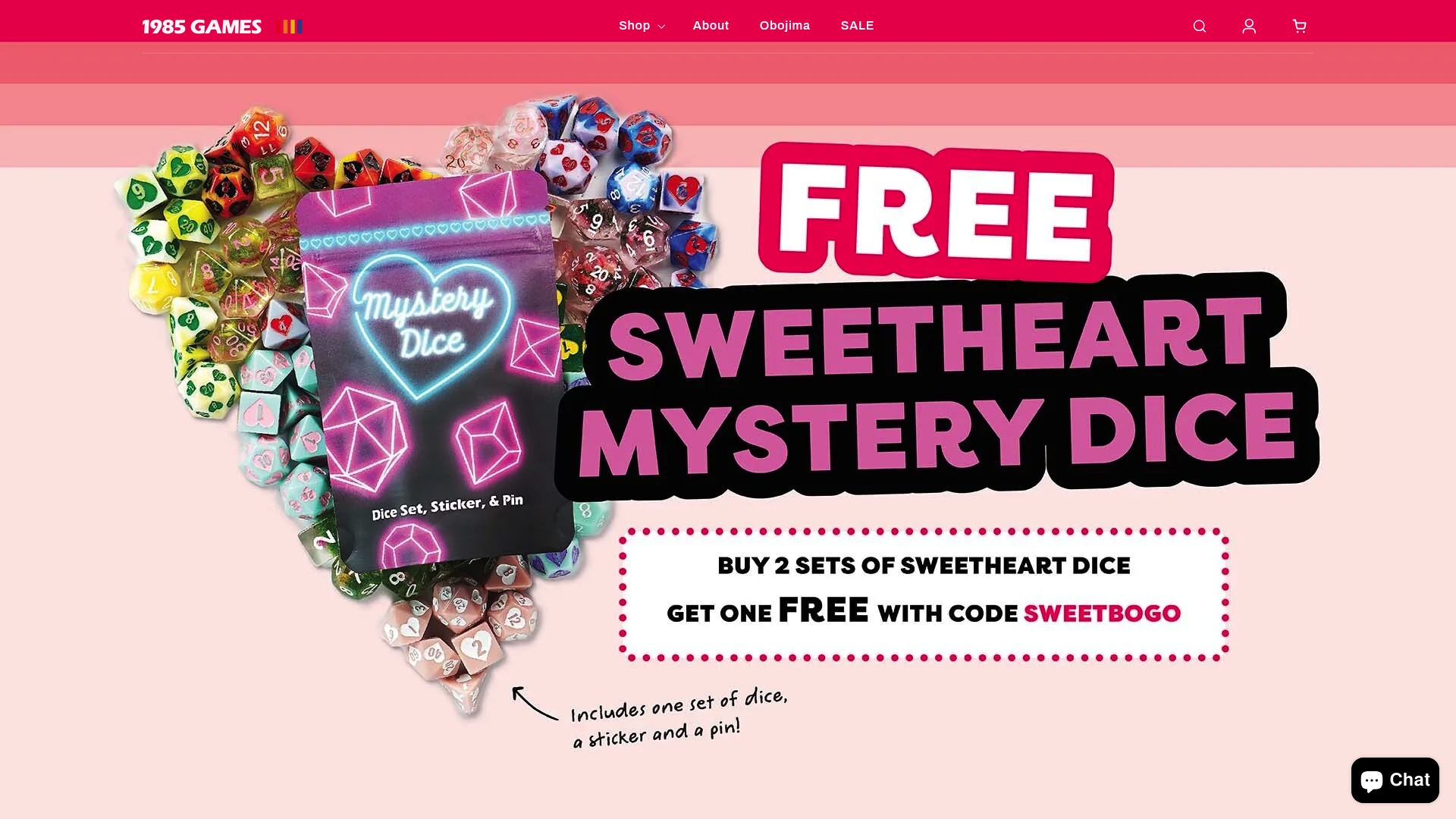
Explore curated dice sets, battle maps, and campaign journals designed specifically for TTRPG enthusiasts. Our accessories in D&D enhance immersion through handcrafted quality and thoughtful design. From mystery dice sets to detailed terrain maps, we supply tools that support your preferred play style.
Proper setup transforms ordinary tables into immersive gaming spaces. Our tabletop game setup guide walks through creating atmosphere and organization for memorable sessions. Narrative-focused games benefit from NPC Booster cards providing quick character references without heavy stat blocks.
Every RPG type gains from quality accessories matched to its play style. We support the gaming community by offering innovative products tailored for both beginners and experienced dungeon masters. Visit 1985 Games to discover tools enhancing your tabletop experience.
Frequently Asked Questions
What defines a tabletop role-playing game type?
RPG types are categorized by mechanics complexity, narrative focus, and session structure. Traditional fantasy RPGs like D&D emphasize tactical combat with medium complexity rules. Narrative indie RPGs prioritize storytelling with minimal mechanics. OSR games revive classic minimalist design for fast play. These categories help players find systems matching their preferences.
How do session length and mechanics complexity affect game choice?
Session length determines practical playability for your schedule. Complex systems like Pathfinder need 3-6 hours for meaningful progress, while OSR and narrative games compress into 2-3 hours. Complexity impacts learning curve and ongoing mastery requirements. Match both factors to your group’s available time and patience for rules learning.
Can beginners play complex RPGs like Pathfinder or D&D easily?
D&D 5E balances accessibility with depth, making it beginner-friendly despite medium complexity. Pathfinder’s high complexity demands more system study and works better for experienced players or dedicated learners. Beginners succeed with both systems when supported by patient game masters and active communities providing learning resources. Starting with D&D eases the transition to more complex systems later.
What RPG types suit groups focused on story over combat?
Narrative and indie RPGs prioritize character development and collaborative storytelling. Systems with rulebooks under 40 pages minimize mechanical interruptions during roleplay. The One Ring and Powered by the Apocalypse games emphasize social encounters and dramatic moments over tactical combat. These systems deliver deeply satisfying character-driven experiences for story-focused groups.
Are there affordable RPG options for players on a budget?
Many RPGs offer free quick-start rules for sampling systems without financial commitment. OSR games frequently cost $0-30 with pay-what-you-want models common. Core rulebooks for major systems range $30-60 but support years of gameplay. Free online resources, actual play videos, and community forums provide learning support without additional costs. Budget-conscious groups find abundant affordable options across all RPG types.