

Choosing the right dice set transforms your Dungeons & Dragons experience from routine rolls into immersive moments of tension and triumph. With countless options spanning metal, resin, acrylic, and specialty materials, selecting dice that match your playstyle, budget, and aesthetic preferences requires understanding key quality markers and functional differences. This guide breaks down essential criteria for evaluating dice sets, explores popular types with their distinct advantages, and provides testing methods to ensure fair rolls that maintain game balance and player trust.
Table of Contents
- How To Evaluate And Choose Dice Sets For D&D
- Popular Types Of Dice Sets: Materials And Features
- Fairness And Testing: Ensuring Your Dice Roll True
- Comparing Dice Sets: Key Attributes And Usability
- Enhance Your Gaming With Premium RPG Gear
Key takeaways
| Point | Details |
|---|---|
| Material impacts experience | Dice material affects weight, sound, durability, and the tactile feel during gameplay sessions. |
| Fairness ensures balance | Testing methods like Chi-Square confirm dice roll true, preventing bias that undermines game integrity. |
| Sharp-edge resin leads fairness | The current gold standard for tabletop gaming dice is sharp-edge resin due to superior roll accuracy. |
| Bulk sets offer value | Large quantity dice packs provide cost-effective solutions for dungeon masters and gaming groups. |
| Different styles suit different players | Metal dice appeal to premium seekers while acrylic offers aesthetic variety at accessible prices. |
How to evaluate and choose dice sets for D&D
Selecting quality dice requires examining multiple factors that directly affect your gaming sessions. Material choice stands as the foundation of this decision. The choice of dice material significantly impacts the gaming experience, influencing weight distribution, acoustic feedback when dice hit the table, and visual appeal during critical moments. Metal dice deliver satisfying heft and distinctive clinking sounds. Resin offers balanced weight with design flexibility. Acrylic provides lightweight handling with vibrant color options.
Fairness and balance determine whether your dice maintain game integrity. Biased dice create unfair advantages that erode player trust and skew encounter difficulty. Manufacturing precision affects how evenly weight distributes across each face. Sharp corners and edges reduce friction points that might favor certain numbers. A dice set quality guide helps identify construction markers that indicate balanced rolls.
Durability and tactile feel matter during marathon gaming sessions. Softer materials may chip or scratch with repeated use. Harder materials withstand years of gameplay but might damage wooden tables or dice trays. Surface texture affects grip and rolling behavior. Weight influences how deliberately you must release each die.
Consider these evaluation criteria when comparing options:
- Manufacturing precision and edge sharpness
- Material density and weight distribution
- Number readability in various lighting conditions
- Surface finish quality and resistance to wear
- Compatibility with your gaming surface and dice tray
Pro Tip: Purchase a small sample set before investing in matching dice for your entire gaming group. Test how they feel in your hand, sound on your table, and perform during actual gameplay.
Variety serves different player preferences and game modes. Dungeon masters benefit from bulk collections for handling multiple NPCs. Players might prefer themed sets matching character aesthetics. Campaign-specific dice create memorable moments for special story arcs.
Popular types of dice sets: materials and features
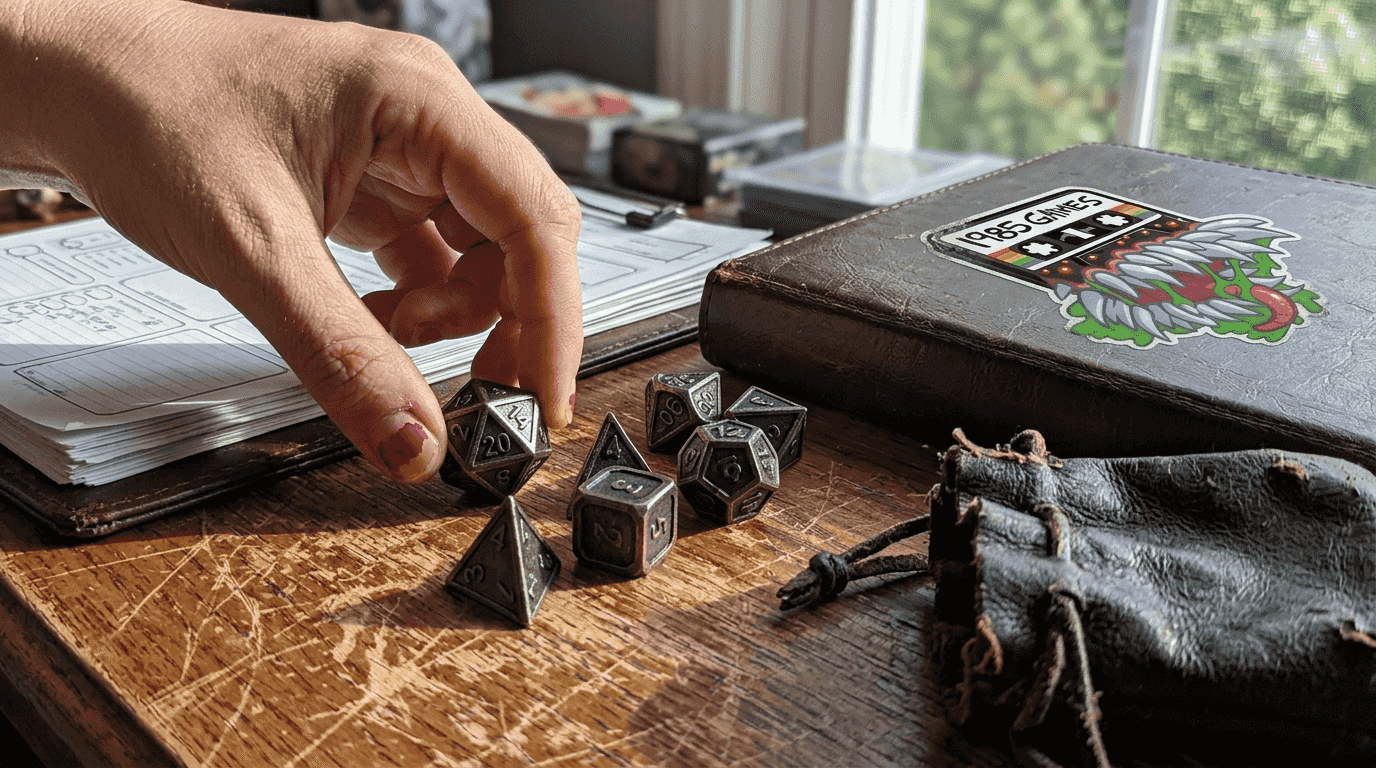
Metal dice sets represent the premium tier of tabletop gaming accessories. Metal dice sets offer a distinct tactile experience and perceived quality compared to lighter alternatives. Zinc alloy, brass, and aluminum variants each deliver unique weight profiles. These dice produce satisfying acoustic feedback that emphasizes dramatic moments. The substantial heft creates deliberate, controlled rolls that many players find more engaging than lightweight alternatives.
Sharp-edge resin dice establish the fairness benchmark for serious gamers. Precision manufacturing creates crisp corners and edges that minimize rolling bias. The current gold standard for tabletop gaming dice is sharp-edge resin because geometric accuracy directly correlates with balanced probability distribution. These dice roll with satisfying crispness while maintaining moderate weight. Transparent resin variants allow visual inspection for internal bubbles or weight irregularities. Opaque versions showcase intricate color swirls and embedded materials like glitter or dried flowers.
Acrylic dice balance affordability with aesthetic variety. Manufacturing techniques enable virtually unlimited color combinations, translucent effects, and layered designs. These lightweight dice suit players who prefer rapid rolling or travel frequently to gaming sessions. Standard edges provide adequate fairness for casual play while remaining budget-friendly. Marbled patterns, gradient fades, and specialty finishes let players express character themes visually.
Bulk dice sets solve practical challenges for dungeon masters and gaming groups. Large quantity packs provide enough dice for simultaneous rolls, multiple characters, or teaching new players. Standardized colors help organize sets by player or character. Mixed bags offer variety for different campaign needs. Cost per die drops significantly compared to premium individual sets. Custom dice enhance RPG experiences by matching thematic elements to specific campaigns or characters.
Key features distinguishing each type:
- Metal: 50-70g weight, premium acoustics, requires padded rolling surface
- Sharp-edge resin: 15-25g weight, superior fairness, moderate price point
- Acrylic: 8-12g weight, maximum design variety, entry-level pricing
- Bulk sets: Mixed materials, quantity over individual quality, group-focused value
Fairness and testing: ensuring your dice roll true
Dice fairness directly impacts gameplay balance and player confidence in outcomes. Biased dice skew probability distributions, creating unfair advantages that undermine the randomness essential to tabletop RPGs. Manufacturing defects like air bubbles, uneven weight distribution, or asymmetric geometry cause certain numbers to appear more frequently. Testing methods identify these biases before they affect critical campaign moments.
The Chi-Square test provides statistical validation of dice fairness. The Chi-Square test can be used to determine if a die is fair by comparing observed roll frequencies to expected uniform distribution. Roll each die face 60 times minimum for statistical significance. Record results and calculate whether observed frequencies deviate significantly from the expected 10% per face on a d10 or 16.67% per face on a d6. Higher Chi-Square values indicate greater bias.
Follow these testing steps:
- Roll the target die at least 60 times, recording each result
- Calculate expected frequency (total rolls divided by number of faces)
- Compute Chi-Square statistic comparing observed versus expected frequencies
- Compare your result against critical values at 95% confidence level
- Reject dice that exceed critical threshold indicating significant bias
Sum Squared Error (SSE) offers an alternative fairness measurement. This method quantifies total deviation from perfect balance. Calculate the difference between observed and expected frequencies for each face, square these differences, then sum the results. Lower SSE values indicate fairer dice. This approach provides intuitive numerical comparison when evaluating multiple dice sets.
Edge geometry significantly affects rolling fairness. Dice with sharp edges may roll more fairly than rounded alternatives because reduced contact area minimizes friction bias. Sharp corners create more chaotic tumbling that better randomizes outcomes. Rounded edges increase surface contact, potentially favoring faces with specific geometric relationships. This explains why precision sharp-edge resin dice command premium prices among competitive players.
Pro Tip: Create a simple saltwater float test to check for internal weight distribution issues. Dissolve salt in water until an egg floats, then submerge your die and spin it gently. Biased dice will consistently settle with the same face upward due to uneven density.
Regular testing maintains trust in your dice collection. Test new acquisitions before introducing them to campaign play. Retest dice periodically if you notice unusual rolling patterns. A dice fairness testing guide provides detailed protocols for various statistical methods and interpretation frameworks.
Comparing dice sets: key attributes and usability
Direct comparison across key attributes clarifies which dice sets match specific gaming needs and preferences. Material properties create distinct user experiences that appeal to different player types. Weight affects rolling behavior and tactile satisfaction. Cost determines accessibility for various budgets. Fairness impacts competitive integrity and player trust.
| Attribute | Metal Dice | Sharp-Edge Resin | Acrylic Dice | Bulk Sets |
|---|---|---|---|---|
| Weight | 50-70g per die | 15-25g per die | 8-12g per die | Varies by material |
| Cost Range | $40-80 per set | $25-50 per set | $8-20 per set | $15-40 for 100+ dice |
| Fairness | Good with quality control | Excellent | Adequate for casual play | Variable |
| Durability | Exceptional | Very good | Moderate | Mixed |
| Best For | Premium experience seekers | Competitive players | Aesthetic variety lovers | DMs and groups |
Metal dice excel in scenarios prioritizing premium feel and long-term durability. The substantial weight creates deliberate, controlled rolls that emphasize dramatic moments. Acoustic properties produce satisfying sounds that enhance immersion. However, the higher cost and potential for surface damage require protective rolling surfaces. These dice suit experienced players investing in long-term gaming accessories.
Sharp-edge resin balances fairness with moderate pricing. Precision manufacturing delivers superior geometric accuracy compared to mass-produced alternatives. The moderate weight feels substantial without requiring padded surfaces. Transparent variants allow visual inspection for manufacturing defects. This category suits players prioritizing statistical fairness and competitive integrity.
Acrylic dice provide maximum design variety at accessible price points. Unlimited color combinations enable character-specific theming. Lightweight construction suits frequent travelers and rapid rolling styles. Standard edges offer adequate randomness for casual play. Budget-conscious players and aesthetic collectors favor this category.
Bulk dice sets provide a cost-effective solution for dungeon masters managing multiple NPCs or groups teaching new players. Quantity over individual premium quality makes practical sense when dozens of dice see simultaneous use. Mixed color sets enable organizational systems. Cost per die drops to budget-friendly levels.
Consider these selection factors:
- Gaming frequency and session length affect durability requirements
- Competitive versus casual play determines fairness priority
- Table surface type influences material choice
- Budget constraints guide category selection
- Aesthetic preferences drive design decisions
Match dice characteristics to your specific gaming context. Premium dice sets benefits extend beyond rolling mechanics to include psychological satisfaction and collection value. Investment in quality dice enhances long-term gaming enjoyment when aligned with personal preferences and practical needs.
Enhance your gaming with premium RPG gear
Elevating your tabletop experience extends beyond selecting perfect dice to encompass the complete gaming environment. Quality terrain maps transform abstract combat into visually engaging tactical scenarios. Dungeon Craft: Volume 2 provides detailed battlemap layouts that bring dungeon encounters to life with professional cartography. These maps eliminate imagination gaps and create shared visual reference points for your entire party.

Organizing campaign details, NPC tracking, and session notes becomes manageable with dedicated tools. DM’s Journals (3 Pack) offers structured frameworks for maintaining campaign continuity across multiple sessions. Specialized sections help track plot threads, character development, and world-building details that create immersive storytelling. Thematic map collections like Dungeon Craft: Cursed Lands expand your terrain library with atmospheric settings perfect for horror-themed campaigns or dark fantasy adventures.
FAQ
What types of dice are best for beginners?
Acrylic dice sets offer ideal entry points for new players due to affordable pricing and wide aesthetic variety. These lightweight dice provide adequate fairness for learning game mechanics without significant investment. Bulk sets deliver enough dice for practice rolling and understanding probability distributions. Types of dice for beginners include standard polyhedral sets with clear number markings and contrasting colors for easy reading.
How can I test if my dice are fair?
Roll each die at least 60 times and record results for statistical analysis. Apply Chi-Square test calculations comparing observed frequencies to expected uniform distribution across all faces. Significant deviations indicate bias requiring dice replacement. Dice fairness testing methods include saltwater float tests and visual inspection for manufacturing defects like air bubbles or asymmetric geometry.
Why choose metal dice over other materials?
Metal dice deliver premium tactile experiences through substantial weight and satisfying acoustic feedback. The deliberate rolling motion created by 50-70g mass emphasizes dramatic moments and critical rolls. Superior durability ensures decades of gameplay without visible wear. Benefits of metal dice include psychological satisfaction from premium materials and collection value that appreciates over time.
Do sharp-edge dice really roll more fairly?
Sharp corners and edges minimize friction contact points that could bias results toward specific faces. Geometric precision in sharp-edge manufacturing creates more uniform weight distribution across all faces. Reduced surface contact during rolling generates more chaotic tumbling that better randomizes outcomes. Statistical testing consistently shows sharp-edge resin dice perform closer to theoretical probability distributions than rounded alternatives.
How many dice sets should a dungeon master own?
Dungeon masters benefit from owning 3-5 complete polyhedral sets minimum for handling multiple NPCs simultaneously. Bulk collections of 50-100 dice enable efficient mass rolling for large encounters or environmental effects. Color-coded sets help organize dice by enemy type or damage category. Additional specialty dice like percentile sets support specific game mechanics and random table rolling during session preparation.